Exploring Eagle County, Colorado: Historic Places, Mountain Towns, and Scenic Drives

Nestled in the central Rocky Mountains of Colorado, Eagle County is a patchwork of historic railroad towns, ranching valleys, and world-famous ski resorts. Travelers come for the alpine scenery and outdoor adventure, but they stay for the stories hidden in the county’s small communities, old stage stops, and river-side settlements. This guide introduces key places around Eagle County and how to explore them as a modern traveler with an eye for history, landscape, and local character.

Getting Oriented: Where Is Eagle County and Why Visit?

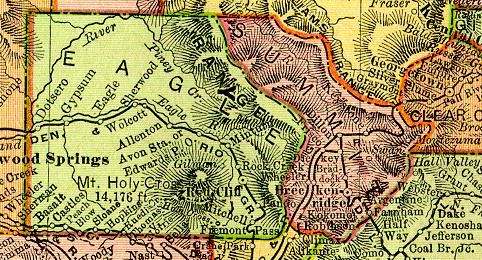
Eagle County lies along the I-70 mountain corridor in central Colorado, west of Denver and east of Glenwood Springs. Stretching from high-elevation passes to the Colorado River valley, the county combines ski destinations like Vail and Beaver Creek with quieter enclaves such as Gypsum, Eagle, and Dotsero. For visitors, this means a variety of landscapes and travel styles within a relatively compact area—ideal for road trips, weekend escapes, and extended stays.

Historic Corridors and River Gateways

Dotsero: Eastern Gateway to the Colorado River Scenic Country

Dotsero, at the confluence of the Eagle and Colorado Rivers, is a natural gateway to some of western Colorado’s most scenic water corridors. Once a key junction point for rail and highway travel, today it serves as a quiet access area for river recreation and scenic drives.

  • River access: Launch points for rafting and kayaking offer a more relaxed, less crowded alternative to major whitewater hubs.
  • Scenic drives: From Dotsero, travelers can follow the Colorado River Road into wilder country, passing ranches, sandstone cliffs, and wide river bends.
  • Railroad heritage: The area’s rail lines, visible along the canyon walls, hint at the region’s long role in connecting mountain communities.

Travelers looking for a quieter base near the river often combine a stay around Dotsero or nearby communities with day trips to the busier resort areas further east.

Red Cliff and Minturn: Mountain Passes and Old Railroad Routes

South of I-70, the older communities of Minturn and Red Cliff showcase the narrow valleys and steep passes that defined early travel across the Rockies.

  • Minturn: Sandwiched between towering slopes, Minturn still feels like a genuine mountain town. Visitors walk its main street, explore local shops, and use it as a jumping-off point for hiking and fishing.
  • Red Cliff: Reached via scenic mountain roads, Red Cliff offers dramatic canyon views and a sense of seclusion. It is especially rewarding for photographers and travelers who appreciate off-the-beaten-path destinations.

Both towns sit close to historic railroad grades and early highway routes, making them ideal stops for travelers interested in how Colorado’s transportation history shaped today’s tourism corridors.

Valley Towns: Everyday Life Along the Eagle River

Gypsum: Western Gateway with a Local Vibe

On the western side of Eagle County, Gypsum functions as a practical, year-round community with quick access to the Eagle River and open landscapes. It is less about resort polish and more about everyday mountain life, giving visitors a grounded sense of the region beyond the ski slopes.

  • Outdoor access: Nearby trails and backroads invite hiking, mountain biking, and scenic drives into the surrounding hills.
  • River corridor: Anglers and paddlers make use of quieter stretches of the Eagle River for fishing and mellow floats.
  • Relaxed pace: Travelers often pair a stay in or near Gypsum with day trips upriver to busier destinations, balancing activity and calm.

Eagle: A Walkable Colorado Mountain Town

Further east, the town of Eagle blends a compact downtown with access to extensive trail systems. For travelers, Eagle offers a walkable center and quick transitions from cafes to trailheads.

  • Historic core: Low-rise, small-town architecture and local businesses make Eagle an inviting place to explore on foot.
  • Trail networks: Mountain biking and hiking routes climb into the surrounding foothills, providing views over the Eagle River valley.
  • Family-friendly base: Eagle’s parks and relaxed streetscape make it appealing for families road-tripping through the Rockies.

Travelers seeking a lower-elevation, four-season base often choose Eagle for its balance of amenities and easy highway access to the rest of the county.

High Country Resorts and Alpine Landscapes

Vail: Iconic Alpine Village and Year-Round Destination

On the eastern side of Eagle County, Vail is synonymous with mountain tourism. While best known for its ski slopes, the village and surrounding valleys welcome visitors in every season.

  • Winter: Skiers and snowboarders explore extensive terrain, while non-skiers enjoy snowshoeing, sleigh rides, and village events.
  • Summer and fall: The mountains transform into a network of hiking and biking routes, complemented by outdoor concerts and festivals.
  • Village atmosphere: Pedestrian streets, alpine-inspired architecture, and public art make Vail a rewarding place simply to stroll and people-watch.

Visitors often combine time in Vail with excursions to smaller towns down the valley, adding variety to their Eagle County itinerary.

Beaver Creek and Avon: Slopeside Comfort and Riverfront Access

A short distance west of Vail, Beaver Creek and the neighboring town of Avon form another hub of Eagle County tourism.

  • Beaver Creek: Known for a polished, village-style base area, Beaver Creek offers groomed ski runs, mountain biking in summer, and family-focused activities.
  • Avon: Sitting along the Eagle River, Avon blends lakeside parks, walking paths, and easy transit up to the ski slopes, serving as a practical base for both winter and summer adventures.

Together, these communities give travelers access to both sophisticated resort amenities and the simple pleasures of riverside walks and picnic spots.

Ranchlands, Canyons, and Quiet Corners

Western Eagle County: Open Country and Hidden Roads

Beyond the more familiar resort corridor, western Eagle County opens into ranchlands, rolling hills, and canyon country along the Colorado River. Travelers who venture into these areas encounter fewer crowds and broader horizons.

  • Backroads exploration: Gravel and secondary roads lead to viewpoints, historic ranch sites, and remote trailheads.
  • Wildlife viewing: Early mornings and evenings often bring sightings of deer, elk, raptors, and other wildlife.
  • Canyon scenery: Eroded cliffs and colorful rock layers contrast with the forested peaks farther east.

These quieter sections of Eagle County are best appreciated at a slow pace, with sufficient time for unplanned stops and detours.

Planning Your Stay in Eagle County

Because Eagle County stretches from high alpine basins to river valleys, lodging choices vary widely by town and elevation. Travelers can opt for luxury resorts near ski lifts, modest motels along the highway, vacation rentals in residential neighborhoods, or small lodges in historic towns. One practical approach is to base in a single community—such as Eagle, Avon, or Vail—and take day trips to neighboring towns like Gypsum, Minturn, Red Cliff, or Dotsero. Alternatively, road-trippers may design a loop that includes overnights in both resort villages and quieter valley towns, experiencing different sides of the county while adjusting to altitude gradually.

Seasonal Travel Tips for Eagle County

Winter: Snow Travel and Altitude Awareness

In winter, mountain weather can change quickly. Visitors driving I-70 or the smaller roads to Minturn, Red Cliff, and river access points should check forecasts and be prepared for snow and ice.

  • Carry appropriate tires or traction devices when required by local regulations.
  • Allow extra drive time, especially over high passes or through canyons.
  • Acclimate to the elevation by staying hydrated and planning lighter activities upon arrival.

Summer and Shoulder Seasons: Sun, Storms, and Trail Etiquette

Summer brings comfortable temperatures, but also strong sun and occasional afternoon thunderstorms.

  • Start hikes early in the day to avoid lightning risk at higher elevations.
  • Pack layers, sun protection, and extra water, even for shorter walks.
  • Practice Leave No Trace principles on trails around Eagle, Vail, Beaver Creek, and the smaller mountain communities.

Connecting the Places of Eagle County

From the gateways at Dotsero and Gypsum to the resort villages of Vail and Beaver Creek, Eagle County’s towns and landscapes are linked by the Eagle and Colorado Rivers, historic transportation routes, and a shared mountain environment. Travelers who move slowly—dropping into side valleys, pausing in older communities like Minturn and Red Cliff, and spending time in everyday towns such as Eagle and Avon—discover that the county is more than a single ski destination. It is a layered region where history, scenery, and modern recreation intersect along the length of a high-country valley.

Choosing where to stay in Eagle County shapes the kind of experience you will have, whether you prefer the bustle of Vail’s pedestrian streets, the riverside calm of Avon, the neighborhood feel of Eagle, or the open spaces near Gypsum and Dotsero. Travelers often mix a night or two in a full-service mountain resort with additional nights in smaller hotels, lodges, or vacation rentals in the valley towns, gaining access to both signature attractions and quieter corners. When planning your itinerary, consider staying a bit lower in elevation at the start of your trip, then moving higher as you adjust, and look for accommodations that offer easy walking access to trails, river paths, or historic main streets to make exploring each community in Eagle County as effortless as possible.