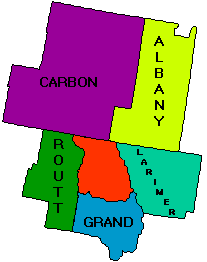
Nestled in the rugged north-central mountains of Colorado, Jackson County is a wide-open high-country destination where big skies, ranching heritage, and quiet two-lane roads set the tone. Travelers come here for solitude, scenic drives, wildlife viewing, and a glimpse into the evolving story of frontier settlements, rail lines, and rural communities that once linked this remote area to the rest of the state.
Where Is Jackson County and Why Visit?
Jackson County lies along Colorado?s northern border, framed by Wyoming to the north and mountain ranges to the east and west. The broad valley known as North Park spreads across much of the county, creating a sweeping basin of grasslands, wetlands, and sagebrush ringed by peaks. Unlike the more crowded ski corridors farther south, this area remains comparatively undeveloped and quiet, making it appealing to travelers seeking open space and low-key exploration.
Landscape and Climate: Understanding North Park
Travel in Jackson County is shaped by its geography. The county sits at a high elevation, with the North Park basin serving as a natural amphitheater for mountain scenery. Wide meadows, willow-lined creeks, and distant snowcapped ridges give road trips a sense of classic Western space. Winters can be long and cold, while summers are typically sunny, dry, and cool, ideal for exploring during the day and stargazing at night.
Seasons and Best Times to Travel
Winter: Expect deep snow, icy roads, and a quiet, almost hushed atmosphere. It?s a time for snowshoeing, cross-country skiing, and snowmobiling, but road conditions require extra caution.
Spring: Meltwater swells streams and wetlands. Some unpaved roads and passes may still be muddy or closed, yet wildlife viewing can be excellent.
Summer: Long days and relatively mild temperatures make this the most comfortable season for driving, camping, and hiking.
Fall: Crisp air, migrating wildlife, and changing colors across willows and aspen pockets provide a rewarding shoulder-season experience.
Getting to and Around Jackson County
Reaching Jackson County usually involves scenic two-lane highways that cross mountain passes or follow river valleys. Approaches from the Front Range often involve winding roads and elevation changes, so travelers should plan extra time and be prepared for variable weather, especially outside of summer.
Driving Tips for High-Country Roads
- Fuel up early: Services can be spaced far apart; don?t assume frequent gas stations.
- Check forecasts: Snow, wind, and afternoon thunderstorms can all affect travel, even in late spring or early fall.
- Carry essentials: Water, snacks, warm layers, and a basic emergency kit are wise in this sparsely populated region.
- Watch for wildlife: Deer, pronghorn, moose, and elk frequently cross roads, particularly at dawn and dusk.
Historic Trails, Towns, and Rural Heritage
What draws many visitors to Jackson County is not crowded attractions but the subtle layers of history that linger in small communities, cemeteries, rural schools, and scattered homesteads. The story of settlement here follows patterns familiar across the interior West: ranching, timber, and transportation networks shaping towns, then slowly declining as routes shifted and populations moved on.
Exploring Heritage Through Self-Guided Drives
A rewarding way to explore is by planning self-guided drives that link historic points of interest:
- Rural schoolhouses and churches: Modest buildings hint at the tight-knit communities that once dotted the basin.
- Old ranch properties: Fences, barns, and windmills stand as reminders of early cattle and sheep operations.
- Cemeteries and pioneer plots: Headstones and markers reflect the cultural mix of families who settled here?ranchers, railroad workers, miners, and homesteaders.
- Former rail and stage routes: Even when tracks are gone, road alignments and cuts in the landscape reveal how people and goods once flowed through this remote country.
Reading the Landscape
Travelers interested in history can "read" the landscape by noting irrigation ditches, abandoned corrals, and clusters of cottonwoods that once shaded homesteads. These subtle details reveal where communities formed, where water was diverted for fields, and how people adapted to high-elevation ranch life. Carrying a notebook or digital journal can enrich the experience, as you sketch routes, note old structures, or record stories learned from long-time residents you may meet along the way.
Nature, Wildlife, and Outdoor Recreation
Jackson County?s open spaces make it a strong choice for travelers who value quiet outdoor experiences over resort-style amenities. Wetlands, sage flats, forests, and alpine terrain support a range of wildlife and recreational opportunities.
Wildlife Watching in North Park
Often described as one of Colorado?s notable basins for wildlife, North Park and the surrounding mountains may offer chances to see:
- Moose moving through willows and wet meadows
- Elk and deer on hillsides, especially at dawn or dusk
- Pronghorn across open sagebrush country
- Raptors and songbirds in riparian zones and grasslands
Binoculars, a field guide, and respectful distance practices make wildlife watching safer and more rewarding. Always remain in or near your vehicle when viewing large animals and avoid disturbing feeding or resting behavior.
Hiking, Fishing, and Quiet Exploration
The county?s rivers, lakes, and forested areas can provide opportunities for fishing, hiking, and dispersed exploration. When using informal pullouts or lesser-known paths:
- Respect private property and posted signs.
- Stay on existing tracks to prevent erosion.
- Practice Leave No Trace, packing out all trash.
Topographic maps or digital offline maps are useful, as mobile coverage can be limited in the basin and canyons.
Cultural Threads and Community Events
While Jackson County is sparsely populated, community events and local gatherings persist as important markers of identity. Visitors who time their travels around local fairs, small rodeos, or heritage celebrations may gain insight into the rhythms of agricultural life, from branding and haying seasons to fall shipping and winter feeding.
Ranching Culture for Visitors
Much of the land in the basin is linked to working ranches, which means respecting gates, livestock, and the daily work of those who live here. Travelers can appreciate the cultural significance of ranching by:
- Observing from public roads without entering private land.
- Keeping noise down near livestock and residences.
- Being patient with slow-moving equipment or cattle on the highway.
For those interested in deeper context, regional museums or local history groups in surrounding communities often highlight Jackson County?s role in broader patterns of Western settlement, railroad expansion, and agricultural development.
Planning Your Stay: Lodging and Local Atmosphere
Staying overnight in or near Jackson County allows travelers to experience the area?s rhythm more fully?watching sunrise over the basin, listening to evening wind in the grasslands, and observing stars largely unfiltered by urban light. Accommodation options typically emphasize simplicity and proximity to nature rather than luxury.
Types of Places to Stay
Depending on the exact community you choose as a base, you might encounter:
- Small motels or inns with basic comforts and personal, locally oriented atmospheres.
- Cabins or lodges that highlight rustic, outdoors-focused stays.
- Campgrounds or dispersed camping areas offering a closer connection to the land, subject to seasonal access and local regulations.
Because options can be limited and seasonal, advance planning is wise. Confirm opening dates, reservation requirements, and any local guidelines related to campfires, wildlife safety, or seasonal road closures.
Responsible Travel in a Remote Mountain County
Travel in Jackson County is most rewarding when it respects both the environment and the local communities that maintain it. A few principles help keep your visit low-impact and enjoyable:
- Pack in, pack out: Treat road pullouts and informal stops with the same care as backcountry sites.
- Support local services: When possible, purchase supplies in nearby towns to contribute to rural economies.
- Learn before you go: Reading about regional history, land use, and wildlife ahead of time deepens the experience and helps avoid missteps.
- Be weather-ready: High-country conditions change quickly; a flexible itinerary reduces stress and improves safety.
Connecting History, Countryside, and Future Journeys
Jackson County, Colorado, offers a kind of travel that is increasingly rare: open horizons, minimal crowds, and a tangible connection to the stories of ranchers, railroad workers, homesteaders, and travelers who navigated these landscapes long before. Whether you are tracing historic routes, scanning wetlands for moose, or simply savoring the hush of a high-elevation night, time spent here can become a quiet but memorable chapter in any Colorado journey.
By approaching the area as both a living community and a region rich in natural and human history, visitors can help ensure that its character endures, even as roads, technologies, and travel patterns continue to evolve.