Travel Guide to the Historic Crossroads of Adams County, Colorado

Northeastern Colorado hides a landscape of open plains, railroad memories, and quiet farm towns that once pulsed with pioneer traffic. Adams County sits at one of these old crossroads, where trails, tracks, and early highways intertwined on the high plains east of Denver. Today, travelers can follow these routes to discover ghost depots, small-town museums, and big-sky sunsets that tell the story of how this region grew from scattered homesteads into a vital corridor across the American West.

Where Is Adams County and Why Visit?

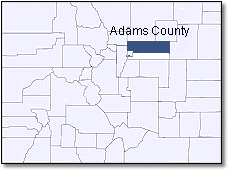
Adams County stretches across Colorado's northeastern plains, just east and northeast of Denver. It is a place where urban edges fade into wheat fields, grain elevators, and quiet agricultural communities. For visitors, this county is ideal if you enjoy road trips, historic byways, and less-traveled routes that still feel authentic and lived in.

From here, you can easily connect to the Rocky Mountains to the west and the wide-open high plains to the east. The region's historic crossroads once carried wagon trains, cattle drives, migrant workers, and early motorists. Following those paths today becomes a journey through Colorado's transportation and settlement history.

Understanding the ?Crossroads? of Northeastern Colorado

The idea of a crossroads in Adams County is more than a single intersection on a map. It is a web of routes?trail, track, and road?that converged across the prairie. Each route opened a new chapter for travelers passing through Colorado:

  • Early wagon trails channeled settlers and merchants across the plains toward the front range and mining towns.
  • Railroad lines stitched small depots and grain towns into a commercial network that fed Denver and beyond.
  • Automobile highways later paralleled or replaced these paths, bringing motels, service stations, and new mobility to the region.

Traveling through Adams County today, you can still sense these layers: a grain elevator by an old track, a fading roadside motel sign on an early highway, and a grid of county roads tracing former wagon lines.

Key Historic Routes Through Adams County

Railroad Corridors Across the Plains

Railroads defined much of northeastern Colorado?s development. Towns rose and fell depending on where the tracks were laid, and depots formed natural stopping points for goods and travelers. When you tour Adams County by car, you can often follow the rail lines as they cut straight across the flat landscape, linking rural communities and grain storage sites.

Look for historic elevators, brick depots, and trackside districts in older town centers. Even where passenger trains no longer stop, these lines still echo the movement of people and ideas that once flowed through the region.

Early Highways and Business Loops

As motor travel spread in the early 20th century, stretches of northeastern Colorado became part of emerging auto trails and numbered highways. In Adams County, these early routes often ran near or parallel to existing railroads, creating true transportation corridors. Motor courts, filling stations, and diners appeared along these roads, serving a growing stream of tourists, truckers, and migrants.

Modern highways may have bypassed some of these older alignments, but careful travelers can still trace them through small towns, business loops, and straight county roads that once formed the backbone of cross-country travel.

Local Farm-to-Market Roads

Beyond the main routes, a web of farm-to-market roads ties Adams County together. These straight gravel or paved lanes form a distinct grid across the prairie, connecting homesteads, fields, and rural communities. Exploring them offers an intimate look at the agricultural life that continues to sustain northeastern Colorado.

While many visitors speed past on interstates, those who slow down along these quieter roads discover old schoolhouses, windmills, broad horizons, and the subtle variations in the plains landscape.

Travel Experiences in the Crossroads Region

Scenic Drives on the High Plains

Adams County and the surrounding northeastern Colorado region are ideal for relaxed scenic drives. Instead of mountain switchbacks, you get wide, level roads with views that stretch toward distant storms and sunsets. Suggested themes for a day?s drive include:

  • Rail and grain route: Follow a rail line from town to town, stopping at elevators, small museums, and historic main streets.
  • Historic highway sampler: Trace segments of older highway alignments, looking for vintage signs, roadside architecture, and former motels.
  • Prairie sky circuit: Choose a loop of county roads focused on photography, especially in the golden hours around sunrise or sunset.

Small-Town Stops and Local Heritage

Across Adams County and neighboring northeastern Colorado communities, small towns preserve fragments of the crossroads past. Visitors can often find:

  • Local heritage exhibits explaining settlement, agriculture, and transportation history.
  • Historic main streets with brick storefronts, former hotels, and cafes that once served travelers.
  • Community parks where seasonal festivals or fairs celebrate rural life on the plains.

These towns rarely feel crowded; instead, they offer a slower rhythm that appeals to travelers looking for authenticity rather than spectacle.

Pioneer and Agricultural History

Northeastern Colorado?s crossroads story is inseparable from its farms and ranches. Early pioneers relied on these routes to sell crops, bring in supplies, and maintain thin lifelines to distant cities. Modern visitors can connect with this heritage by seeking out:

  • Farm-themed events such as harvest celebrations, equipment shows, or county fairs.
  • Interpretive displays that describe irrigation, dryland farming, and the challenges of building a life on the prairie.
  • Historic school sites and churches that once anchored scattered rural communities.

Planning Your Trip Through Adams County?s Crossroads

Best Time to Visit Northeastern Colorado

The high plains climate around Adams County features four distinct seasons, each shaping your travel experience differently:

  • Spring: Green fields, cooler temperatures, and dramatic skies; occasional storms add atmosphere but require flexible plans.
  • Summer: Long days, hot afternoons, and clear nights; ideal for road trips if you plan early drives and later-evening outings.
  • Autumn: Harvest activity, softer light, and comfortable weather; an especially rewarding time for photography and scenic drives.
  • Winter: Quiet roads and occasional snow; good for travelers who enjoy solitude and big, open winter landscapes.

Driving and Navigation Tips

Because much of the crossroads region is rural, thoughtful preparation makes travel smoother:

  • Keep your fuel tank topped up before exploring long stretches of county or state roads.
  • Carry both digital and offline maps, since mobile coverage can vary in more remote areas.
  • Watch for agricultural equipment on local roads, especially during planting and harvest seasons.
  • Be cautious during weather changes; storms can develop quickly across open terrain.

Experiencing Local Food and Roadside Stops

One of the pleasures of traveling through Adams County and northeastern Colorado is sampling small-town food culture. Look for classic diners, family-style cafes, and modest bakeries located near old highway routes or town centers. Many menus reflect local tastes shaped by generations of farmers and ranchers, with hearty portions and straightforward cooking.

Pausing at these roadside stops adds flavor to a journey that might otherwise be measured only in miles. They also provide informal windows into community life along the plains.

Where to Stay Near the Historic Crossroads

Travelers exploring Adams County?s historic crossroads will find a spectrum of accommodation options, especially along major highway corridors and near the Denver metropolitan edge. Modern hotels cluster close to main routes, convenient for those combining plains exploration with city visits. These properties typically offer contemporary amenities and easy access to both rural drives and urban attractions.

Further from the metropolitan area, lodging tends to be simpler and more intimate. Small-town motels and inns echo the region?s early highway era, when cross-country travelers depended on these roadside shelters after long days on the road. Staying in one of these smaller properties can enhance the sense of stepping back into the age when rail lines and two-lane highways defined Colorado travel. Wherever you choose to stay, consider planning at least one night away from bright city lights to experience the wide, starry skies that make the plains so memorable.

Connecting the Crossroads to the Wider Colorado Journey

Adams County?s historic crossroads form a natural link between many of Colorado?s better-known destinations. To the west lie the foothills and mountain towns; to the east, the plains roll steadily toward neighboring states. By including this lesser-visited region in your itinerary, you experience the full gradient of Colorado?s landscapes, from high peaks to open prairies.

For travelers interested in history, culture, and quiet roads, the crossroads of northeastern Colorado offer more than a route from place to place. They reveal how generations of movement?by wagon, train, and car?shaped communities that still anchor the high plains today.

Staying overnight near the historic crossroads of Adams County lets you slow your pace and appreciate the prairie in its quieter hours. After a day tracing old rail lines or exploring small-town main streets, many visitors enjoy returning to a comfortable base where they can watch dusk settle over the fields before heading out again at sunrise. Choosing accommodations along the main highway corridors provides easy access to both rural drives and nearby urban services, while smaller motels closer to agricultural communities put you in closer contact with the rhythms of local life. Whether you prefer a modern hotel with quick interstate access or a modest roadside inn reminiscent of earlier travel eras, giving yourself time to stay and linger transforms a simple drive-through into a richer Colorado plains experience.