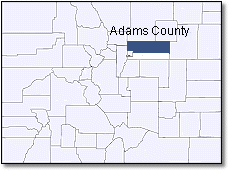
Adams County, Colorado, stretches across the northeastern edge of the Denver metropolitan area into the open High Plains. For travelers, it offers a blend of prairie landscapes, historic agricultural communities, rail and highway routes, and easy connections to both the Rocky Mountains and the wide-open eastern plains. This guide introduces the county?s character, historic roots, and ways to explore it as part of a Colorado road trip.
Where Is Adams County and Why Visit?
Adams County lies just northeast of Denver in north-central Colorado. It encompasses a mix of suburban cities and small plains towns, making it an interesting transition zone between big-city Colorado and rural farmland. Travelers often pass through along major highways, but the county rewards those who slow down with historic main streets, agricultural heritage, and classic Front Range views.
Because the county runs from busy urban corridors to quiet farming districts, visitors can sample many sides of Colorado in a single day: modern shopping, historic depots, irrigation canals, grain elevators, and sunsets over the Rocky Mountains in the distance.
Historic Roots of Adams County for Curious Travelers
Understanding the history of Adams County adds depth to any visit through its towns and byways. The region?s story includes Indigenous presence, early trails and railroads, homesteading, and the rise of farming and small trade centers that still define its landscape.
From Trails and Rails to Highway Crossroads
Travel across what is now Adams County began long before modern roads. Indigenous peoples, traders, and early settlers followed natural corridors across the plains. Later, railroads and automobile highways cut east?west and north?south across the county, helping shape the communities that travelers see today.
As you drive through, you may notice older rail lines running parallel to rural highways, along with small depots, grain elevators, and warehouse buildings. These are reminders that the county once functioned primarily as a transport and agricultural hub linking Denver with the rest of the Great Plains.
Agricultural Heritage on the High Plains
Adams County?s open fields and irrigation ditches reflect over a century of agricultural development. Travelers can still spot working farms, feedlots, and seasonal crops that change the landscape?s texture through the year. This agricultural setting gives the county a quieter, more spacious feel than many areas closer to the mountains.
Road trippers interested in rural life can plan routes through smaller communities and farm roads, where you?ll see center-pivot sprinklers, grain storage, and farmsteads that speak to generations of life on the plains.
Key Towns and Areas to Explore in Adams County
While many visitors only see the suburban fringe along the major interstates, Adams County includes smaller plains communities that offer a different kind of Colorado experience. Strolling older main streets, scouting roadside diners, and watching freight trains can become part of a relaxed, low-key itinerary.
Suburban Gateways Near Denver
The western part of Adams County is closely tied to the Denver metro area. This is where travelers find extensive services: lodging clusters near highway interchanges, shopping centers, and dining options that make good bases for exploring the region.
From these suburban areas, it is easy to day-trip eastward into the quieter plains or westward into central Denver and the foothills?ideal for visitors who want flexibility without changing hotels frequently.
Small Plains Towns and Rural Backroads
Farther east, the landscape opens and the towns become smaller and more closely linked to agriculture. These communities often have a few blocks of local businesses, a school, a grain elevator, and long views across fields. For travelers, they provide a glimpse of everyday life on the Colorado plains.
Consider planning a loop drive that connects several small towns in one day, stopping to walk around historic blocks, view old churches and public buildings, and enjoy the slower pace that contrasts sharply with Denver?s busy streets.
Scenic Drives and Road Trip Ideas Through Adams County
Though Adams County isn?t known for alpine passes or dramatic canyons, it offers its own style of scenic travel: long horizons, train tracks, distant mountain silhouettes, and dramatic prairie skies. It also serves as a convenient corridor between Denver and eastern Colorado or neighboring states.
Prairie Sunsets and Big Skies
One of the best reasons to drive across Adams County in the late afternoon or evening is the sunset. When the weather cooperates, the low sun lights up the fields and reflects off clouds above the Rockies on the western horizon. Pull off onto a side road to enjoy unobstructed views and the changing colors of the sky.
Connecting to Wider Plains and Mountain Routes
Adams County lies along several important regional routes. Many travelers use these corridors to head toward mountain destinations to the west or further into the Great Plains to the east. Building an itinerary around this transition zone allows you to contrast two very different Colorado landscapes in a single trip.
For example, you might spend a day in the Denver area, then drive east through Adams County?s farmland before continuing to more remote plains communities. Alternatively, you can approach the Front Range from the east and use Adams County as your soft landing spot before heading into busier mountain resort areas.
Local Culture, Seasonal Feel, and Weather Awareness
Travelers who pay attention to the seasons and local rhythms will get more out of a trip through Adams County. The county?s character shifts with the agricultural calendar and the High Plains weather patterns.
Seasonal Character on the High Plains
In spring and early summer, fields may be bright green, irrigation ditches run full, and afternoon storms occasionally build over the Rockies and drift east. Late summer and early autumn can bring golden fields and crisp, clear evenings. Winter often means open, windy stretches of road and the possibility of fast-moving snow systems.
If you enjoy photography, any season can be rewarding: snow against red barns, thunderstorms building on the horizon, or rows of crops under deep blue skies all capture different moods of the county.
Staying Safe and Comfortable While Traveling
Because Adams County includes long, open road segments, travelers should keep an eye on fuel levels, weather forecasts, and wind conditions. Carry water and layers in cooler months, and be prepared for quickly changing temperatures. During stormy periods, it is wise to check travel advisories before committing to longer drives across the plains.
Hotels and Places to Stay in and Around Adams County
Accommodation in Adams County ranges from practical highway-side hotels near major interchanges to more residential-feeling stays closer to local neighborhoods. Many visitors choose to base themselves on the western side of the county, where lodging options are concentrated and access to Denver, the airport, and regional roads is straightforward.
If your focus is exploring small plains towns and rural scenery, consider staying near the edge of the metropolitan area so you can easily head east for day trips without sacrificing dining and service options. Travelers who value quiet evenings may prefer properties set slightly away from the busiest corridors, where nighttime skies feel more expansive and traffic noise fades. Whichever you choose, look for places that offer flexible check-in, convenient parking for road trips, and easy access to the routes you plan to explore.
Practical Tips for Exploring Adams County, Colorado
To make the most of a journey through Adams County, treat it as more than just a transit zone. Build in time for detours onto smaller roads, short walks through town centers, and pauses to enjoy the big-sky views that define Colorado?s northeastern plains.
- Plan flexible routes: Allow space in your schedule for exploring side roads and small communities.
- Check the forecast: Weather on the plains can shift quickly, especially in winter and during thunderstorm season.
- Support local stops: Small-town cafes, shops, and markets can add memorable flavor to your trip.
- Balance city and plains: Combine a stay near urban conveniences with day trips into the county?s more rural areas.
Whether you are crossing Colorado by car, seeking quieter landscapes close to Denver, or simply curious about life on the High Plains, Adams County offers a subtle but rewarding slice of the state?s geography and history.