Travel Guide to Eagle County, Colorado: History, Heritage, and High-Country Adventure

Nestled in the heart of the central Rocky Mountains, Eagle County in Colorado blends dramatic alpine scenery with layers of frontier history, ranching heritage, and small-town charm. Whether you are drawn by world-class ski resorts, high-mountain hiking, or a slower-paced exploration of historic communities, this corner of Colorado offers a wide range of experiences for curious travelers.

Where Is Eagle County and Why Visit?

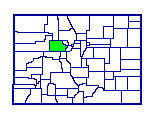
Eagle County lies along the I-70 corridor in central Colorado, west of Denver and east of the state’s high desert plateau. Its elevation, mountain passes, and river valleys create a playground for outdoor enthusiasts in every season. In winter, powder-filled ski slopes and snowy forests take center stage. In summer and fall, wildflower meadows, golden aspen groves, and rushing rivers invite hiking, biking, and rafting.

Beyond its outdoor appeal, the county is dotted with historic communities that tell the story of Colorado’s development: from mining and railroads to ranching, irrigation, and early homesteads. Visiting Eagle County can feel like stepping into a living museum of the American West, set against a backdrop of evergreen peaks.

Historic Roots: From Frontier Trails to Mountain Towns

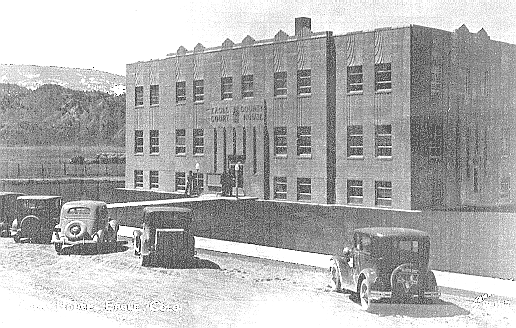
Exploring Eagle County is as much about understanding its past as enjoying its landscapes. Many modern roads follow old wagon routes and stagecoach trails that once carried miners, settlers, and traders through the Rockies. Today, remnants of that era can still be seen in older neighborhoods, cemeteries, and preserved public buildings.

Mining, Railroads, and Ranches

In the late nineteenth and early twentieth centuries, mining and railroad expansion helped carve permanent settlements into the valleys. Over time, as minerals waned, agriculture and ranching became pillars of the local economy. Travelers can still glimpse this history in the wide-open pastures, irrigation ditches, and historic barns scattered across the county’s lower elevations.

Some small communities began as stops along stage and rail lines, gradually accumulating schools, churches, and shops. Heritage walking tours, historical markers, and local museums in various towns across Eagle County help visitors trace the evolution from isolated frontier post to modern mountain destination.

Preserved Heritage and Local Stories

Many of Eagle County’s historic sites revolve around everyday life rather than grand monuments: schoolhouses that served generations, community halls that hosted dances, and cemeteries where early settlers are laid to rest. These places give insight into the challenges and resilience of people who farmed, herded livestock, and built homes in thin mountain air and harsh winters.

Travelers interested in genealogy or local history will find that the region’s archival records, place names, and older neighborhoods can offer clues to family stories, migration patterns, and cultural traditions that shaped Colorado’s high country.

Landscape and Geography: Understanding the High Country

Eagle County stretches across an impressive range of elevations, from river bottoms lined with cottonwood trees to alpine basins above treeline. Understanding this geography helps visitors plan safe, enjoyable trips.

Valleys, Rivers, and Canyons

The county’s main settlements are typically found in valley floors and along river corridors, where transportation routes and irrigation systems first developed. These areas have comparatively milder weather and serve as gateways to the higher country. River canyons and side valleys often hide trailheads, fishing holes, and quieter campgrounds that reward travelers willing to explore just beyond main roads.

High Passes and Alpine Terrain

Mountain passes connect different parts of the county and provide sweeping views of the Rockies. Many passes, whether accessed by highway or backroad, were once crucial links for trade and travel. At higher elevations, visitors encounter steep switchbacks, abrupt weather changes, and thinner air—conditions that demand extra caution, especially for those not acclimated to altitude.

In summer, alpine wildflowers and crystal-clear lakes tempt hikers and photographers. In winter, high passes and ridgelines can become avalanche terrain or close due to snow, making advance planning essential for any cold-season itinerary.

Outdoor Activities Through the Seasons

Thanks to its mountains, forests, and rivers, Eagle County offers a wide range of outdoor pursuits that change with the seasons. Many travelers design their visit around a specific activity, while others sample a bit of everything.

Winter: Snow Sports and Cozy Towns

Winter transforms the county into a snowy landscape ideal for skiing, snowboarding, cross-country skiing, snowshoeing, and sledding. Larger resort areas feature groomed runs, lift networks, and après-ski scenes, while quieter corners of the county provide access to backcountry routes and Nordic trails for those seeking solitude.

Even if you are not pursuing intense snow sports, winter walks through historic districts, visits to local museums, and evenings spent in mountain-town eateries can be rewarding. The contrast of crisp outdoor air and warm indoor spaces creates a signature high-country atmosphere.

Summer and Fall: Hiking, Biking, and Water Adventures

When snow recedes, trails open up for hiking and mountain biking across a spectrum of difficulty levels. Short interpretive paths near towns introduce newcomers to local flora, fauna, and mining or ranching history, while longer routes climb to panoramic ridge lines and lakes.

Rivers and streams invite rafting, kayaking, and fishing, with flows often strongest in late spring and early summer. By autumn, temperatures cool, and aspen trees turn gold, making scenic drives and moderate hikes especially memorable. Many travelers time their visit specifically to experience fall foliage in Eagle County’s valleys and slopes.

Cultural Experiences and Community Life

Behind the outdoor adventure image, Eagle County maintains a vibrant cultural life rooted in community events, local traditions, and the rhythms of mountain living. Travelers who look beyond the main attractions often discover festivals, markets, and low-key gatherings that reveal a more personal side of the region.

Festivals, Markets, and Local Traditions

Throughout the year, towns across the county host seasonal celebrations, from winter carnivals to summer music events and harvest-themed markets. These occasions often showcase regional crafts, food, and music. For visitors, they provide a chance to interact with residents, sample local specialties, and learn more about how mountain communities adapt to changing seasons.

Museums, Interpretive Centers, and Self-Guided Tours

Small museums and interpretive centers often curate exhibits on mining, ranching, transportation, and early education. Self-guided walking tours around older districts can highlight architectural details, former railroad routes, and sites of early public institutions. Even a brief stop at such places can deepen your understanding of how Eagle County’s past influences its present-day character.

Practical Travel Tips for Eagle County

Because Eagle County combines high elevation, variable weather, and mountain roads, a bit of advance preparation makes travel safer and more enjoyable.

Altitude Awareness

Many communities in the county sit well above 2,000 meters (about 6,500 feet), with recreational areas rising much higher. Visitors arriving from lower elevations should allow time to acclimate: drink plenty of water, avoid overexertion on the first day, and be alert to symptoms of altitude sickness. Planning a gentle activity or heritage walk early in your stay can help your body adjust.

Weather and Seasonal Conditions

Mountain weather can change quickly. Even in summer, afternoon thunderstorms may develop, and evenings can be cool. Winter storms can bring heavy snow, strong winds, and temporary road closures. Packing layers, waterproof outerwear, and sturdy shoes is recommended in every season.

Before setting out on mountain passes, backcountry roads, or high trails, check local forecasts and any travel advisories. In winter, travelers should be aware of avalanche risks in certain areas and consider guided activities if unfamiliar with snow safety.

Transportation and Getting Around

Main highways provide access into and through Eagle County, with scenic side roads leading to smaller communities and recreation sites. In winter, vehicles may need appropriate tires or traction devices, and drivers should be comfortable with mountain driving. In busy seasons, shuttles or local transit options in larger resort areas can reduce the stress of parking and navigating unfamiliar roads.

Where to Stay: Lodging and Mountain-Town Atmosphere

Staying in Eagle County can range from simple, budget-friendly rooms in valley towns to upscale mountain lodges near ski slopes or trailheads. Each area has a slightly different atmosphere, and choosing where to sleep can shape the tone of your visit.

Resort Areas vs. Smaller Communities

Resort-focused towns generally offer the broadest range of accommodations, from full-service hotels and condos to chalet-style lodgings. These hubs typically feature easy access to lifts, busy restaurant districts, and organized activities such as guided hikes or snowshoe tours. They suit travelers who want amenities close at hand and don’t mind a lively environment, especially in peak seasons.

Smaller communities in the county often provide a more relaxed base, with quieter evenings and a stronger sense of local life. Lodging here might include independent inns, cabins, or modest motels, making them appealing to travelers who prefer a slower pace or who plan to spend most of their time exploring the wider region rather than a single resort.

Staying Comfortably at Altitude

Because of the elevation, choosing accommodation with good ventilation, access to drinking water, and restful sleeping conditions can help with acclimatization. Some travelers like to split their stay between a slightly lower-elevation town for the first night or two and a higher resort area later in the trip. Others favor central valley locations that allow day trips both up into the mountains and down-canyon toward lower elevations.

Planning Your Eagle County Itinerary

Whether you visit for a long weekend or an extended stay, Eagle County rewards thoughtful planning. Consider mixing outdoor activities with cultural and historical stops: perhaps a morning hike followed by an afternoon museum visit, or a scenic drive linking several historic communities. Seasonal changes and elevation shifts mean that no two trips are exactly alike, inviting repeat visits at different times of year.

By approaching the region with curiosity—about its landscapes, its past, and the people who have called it home—you can craft a trip that goes beyond postcard views to a deeper appreciation of Colorado’s high country. Eagle County’s blend of rugged terrain, enduring heritage, and welcoming mountain towns makes it a memorable destination for travelers seeking both adventure and insight.

Because Eagle County stretches across multiple elevations and distinct communities, your choice of accommodation can enhance both comfort and exploration. Many visitors plan their stay around a combination of resort-area lodging for direct access to ski slopes or summer trails, and quieter valley-town hotels or inns that offer an easier adjustment to altitude and a glimpse of everyday mountain life. When comparing options, think about proximity to the activities you value most—whether that means being able to walk to historic districts, catching an early-morning shuttle to the lifts, or driving scenic backroads to trailheads—so that your hotel or vacation rental becomes a convenient base rather than just a place to sleep.