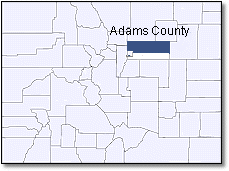
Nestled on Colorado?s Front Range and stretching into the rolling high plains, Adams County offers travelers a rewarding blend of small-town charm, railroad heritage, and easy access to big-city attractions. Whether you are tracing family roots, road-tripping across the state, or looking for quiet alternatives to Denver?s bustle, this county invites you to slow down and explore its layered past and open landscapes.
Understanding Adams County: Gateway Between City and Plains
Adams County, Colorado, lies just northeast of Denver, acting as a transition zone between the metropolitan corridor and the wide-open prairie. For travelers, this means you can enjoy both worlds in a single stay: urban cultural experiences within a short drive and peaceful rural roads where grain silos, distant mountains, and endless skies define the horizon.
The county includes long-established communities as well as newer residential areas. Historically shaped by rail lines, agriculture, and migration, it is a natural base for visitors who appreciate history, road travel, and the quieter side of the Front Range.
Historic Roots and Travel Through Time
Many visitors come to Adams County to connect with its past?whether through interest in Colorado history or to follow the footsteps of ancestors who lived on these plains. The stories of homesteaders, railroad workers, and early ranching families still echo in small cemeteries, century-old farmsteads, and preserved community sites.
Tracing Pioneer Pathways
Before modern highways crisscrossed the region, wagon routes and rail corridors were the lifelines of Adams County. Contemporary travelers can follow these historical trajectories by driving secondary roads that parallel former rail lines and stage routes. Along the way, subtle markers?old depots converted into community buildings, outbuildings near grain elevators, vintage signs?hint at the county?s role as a transportation and agricultural hub.
Local Cemeteries as Windows Into the Past
For those interested in genealogy or cultural history, cemeteries throughout Adams County serve as quiet outdoor archives. Travelers who explore respectfully will find headstones bearing surnames that appear throughout Colorado?s development, inscriptions in multiple languages, and dates that map out waves of settlement, drought, and change. Many burial grounds are set on slight rises, offering broad views of the surrounding plains and, on clear days, distant glimpses of the Rocky Mountains.
Small Towns and Communities to Explore
While Adams County touches the outer edges of Denver?s metropolitan area, its smaller communities provide a contrasting, slower-paced travel experience. These towns are ideal for short stops on a longer road trip, photography outings, or simple drives that reveal everyday life on the Colorado plains.
Railside Communities and Agricultural Hubs
Scattered across the county are communities that grew up around rail spurs and grain storage facilities. Travelers can often spot these towns from afar by their tall elevators and water towers. Main streets are typically compact, with modest storefronts, local diners, and mural art telling pieces of the town?s story. Spending an afternoon wandering these centers offers a feel for Colorado beyond its ski resorts and large cities.
Civic Landmarks and Quiet Parks
Local parks, small museums, and civic buildings?often constructed in earlier architectural styles?provide informal stops where visitors can rest and get a sense of community identity. Look for war memorials on courthouse lawns, historical plaques near public buildings, and shaded picnic areas that turn into gathering places during local events and seasonal celebrations.
Outdoor Experiences on the Colorado High Plains
Adams County?s landscape encourages unhurried exploration. Rather than dramatic cliffs or alpine peaks, travelers discover subtle beauty: changing light over fields, seasonal bird migrations, and the long perspective of the plains running into the Front Range.
Scenic Drives and Open-Sky Photography
Road-trippers will appreciate the network of county roads that traverse farm and ranch land. Sunrise and sunset drives present some of the county?s best scenery, when low light accents irrigation ditches, windbreak trees, and historic farm buildings. Photographers can capture expansive skies, weather rolling in from the west, and the juxtaposition of traditional agriculture with modern energy and transportation infrastructure.
Parks, Trails, and Nature Watching
Across Adams County, pockets of green space, regional parks, and water features provide chances for walking, jogging, and informal wildlife observation. Seasonal wetlands and riparian zones attract migrating birds, making the county an accessible waypoint for birdwatchers traveling through Colorado. Families can enjoy playgrounds, picnic shelters, and open fields, balancing time on the road with outdoor breaks.
Heritage Travel and Genealogical Tourism
Adams County has particular appeal for travelers whose ancestors once lived in Colorado?s agricultural communities. Visiting the region turns archival information into lived experience: names from old records suddenly match street signs, churchyards, and family plots.
Turning Records Into Journeys
Genealogy-minded visitors can build travel itineraries around past addresses, nearby burial grounds, and former town centers. Even when original homes no longer stand, exploring the surrounding fields, roads, and remaining landmarks helps reconstruct the context of earlier lives. Many travelers combine time in local libraries and archives with on-the-ground visits to country cemeteries and long-standing neighborhoods.
Respectful Exploration of Historic Sites
When incorporating older cemeteries and rural sites into your trip, it is important to approach with care. Stick to established paths where visible, avoid disturbing markers or vegetation, and allow local residents privacy. This respectful approach ensures that these historical places remain accessible to future visitors interested in the region?s story.
Local Flavor: Food, Markets, and Seasonal Events
Travel in Adams County often revolves around straightforward, hearty food and community gatherings tied to the agricultural calendar. While dining options vary from town to town, visitors will find small cafés, family-run restaurants, and roadside spots that highlight local ingredients and time-tested recipes.
Cafés, Diners, and Everyday Cuisine
Classic breakfasts, daily lunch specials, and homemade desserts are common themes across the county?s eateries. Stopping in at a local diner not only refuels a day on the road but also offers a window into community life, where regulars catch up over coffee and travelers can pick up tips about nearby sights and driving conditions.
Fairs, Festivals, and Agricultural Traditions
Depending on the season, visitors may encounter county fairs, harvest celebrations, or small-town parades. These events often feature livestock exhibitions, local crafts, and food stands serving regional favorites. For travelers, they offer an authentic view of how agriculture continues to shape social life on the Colorado plains.
Staying in Adams County: Practical Travel and Accommodation Tips
Because Adams County spans both suburban areas and open countryside, travelers can choose from a spectrum of places to stay. Lodging near major highways provides easy access to Denver and the mountains, while smaller-town accommodations place you closer to the county?s rural heart.
Choosing Where to Base Your Stay
Visitors interested in day trips into the mountains or central Denver may opt for hotels near key transportation routes on the western side of the county, where you can quickly transition between urban and rural outings. If your focus is cemetery visits, heritage research, photography, or quiet drives, consider accommodations closer to the agricultural and rail-side communities, which reduce travel time to country roads and historic sites.
Balancing Comfort With Exploration
Many travelers plan a mixed itinerary: a night or two in more built-up parts of Adams County for convenient amenities, followed by quieter nights in or near smaller towns. This approach allows you to enjoy both comfortable, modern lodgings and the slower pace of the county?s rural settings. When booking, pay attention to parking availability for larger vehicles or trailers, especially if your trip includes extended road travel, photography gear, or genealogy materials.
Planning Your Trip to Adams County, Colorado
Adams County rewards travelers who appreciate detail and continuity?seeing how the past informs the present in landscapes, communities, and everyday routines. With thoughtful planning, you can combine heritage stops, scenic drives, and time in local parks and cafés to form a stitched-together portrait of life on the Colorado plains.
Whether you are following a family story, exploring beyond Denver?s city limits, or seeking wide-open space under a changing sky, Adams County offers a quiet but compelling chapter in any Colorado journey.