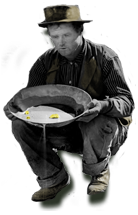
Exploring Colorado’s Past: A Traveler’s Guide to Historic Genealogy Routes and County Archives

Colorado is more than mountains and ski resorts; it is a patchwork of historic counties, pioneer towns, mining camps, and railroad hubs that shaped the American West. For travelers fascinated by history, genealogy, and old records, planning a trip around Colorado’s county seats, archives, and small-town museums can turn a standard vacation into a journey through time.

Why Combine Travel and Genealogy in Colorado?

Many visitors come to Colorado for outdoor adventure, but the state’s rich settlement history, land records, and migration routes make it ideal for heritage-focused travel. Whether you are tracing family roots or simply curious about how the frontier developed, visiting county courthouses, archives, and historic districts offers a deeper connection to the landscapes you see on the road.

Understanding Colorado’s County Landscape

Colorado is divided into distinct counties, each with its own story, administrative center, and set of historic records. As you drive across the state, you move not only through changing scenery but also through layers of political and social history. Knowing how counties evolved helps travelers map out meaningful stops at courthouses, libraries, and local history centers.

Early Settlement and County Formation

Before Colorado became a state, shifting territorial boundaries created and dissolved counties as mining camps boomed and faded. Travelers exploring historic routes will notice how some older county seats sit near ghost towns or quiet crossroads, reflecting the economic changes of the 19th and early 20th centuries. Visiting these places offers insight into migration patterns, mining rushes, and ranching communities.

County Seats as Travel Hubs

County seats are natural anchor points for a genealogy-themed road trip. These towns often feature:

  • Historic courthouses and adjacent record offices
  • Local museums with pioneer and railroad exhibits
  • Walkable main streets lined with older storefronts and hotels
  • Cemeteries that reflect the cultural mix of early settlers

Even if you are not digging into specific ancestors, stopping at county seats helps you experience Colorado through the institutions that shaped local lives.

Planning a Genealogical Road Trip Across Colorado

To make the most of a heritage-focused vacation, plan your route around regions rather than individual cities. Many travelers combine scenic highways with stops at archives, cemeteries, and historic neighborhoods.

Front Range Counties: From Plains to Peaks

The Front Range corridor, stretching along the eastern foothills of the Rockies, is rich in administrative and travel infrastructure. Here you will find well-developed county seats with modern amenities alongside older neighborhoods and preserved districts. This area works well as a base for day trips to smaller historic communities just off the main interstate routes.

Mountain Counties: Mining Heritage and High Passes

Colorado’s high country counties preserve the legacy of mining booms, narrow-gauge railroads, and rugged ranching outposts. Travel here involves winding highways, historic tunnels, and passes that follow old wagon and stagecoach routes. Mountain county seats often feature:

  • Restored mining-era main streets
  • Small but well-curated local history museums
  • Interpretive signs explaining early settlement and industry

These stops pair naturally with outdoor activities like hiking, scenic byways, and historic train excursions.

Plains and Plateau Counties: Quiet Roads and Deep Roots

On Colorado’s eastern plains and western plateaus, travelers find wide horizons, agricultural landscapes, and smaller, low-key county seats. These regions reward slow-paced explorations of:

  • Old homestead sites and farming communities
  • Rural cemeteries with distinctive stonework and symbols
  • Local archives documenting land transfers and settlement

For heritage travelers, these quieter counties often provide the most authentic sense of how families carved out lives far from the mining camps and tourist centers.

Visiting Colorado County Archives and Courthouses

For those treating Colorado as a living research destination, county-level repositories can become key stops on a travel itinerary. Even if you are not conducting formal research, understanding what is kept in these buildings brings context to the towns you visit.

Common Types of Records You Might Encounter

When county archives or clerk’s offices are open to the public, they typically house items such as:

  • Land and property records
  • Marriage and sometimes divorce records
  • Probate and estate documents
  • Historic voter registrations and tax rolls

Many travelers find that seeing old handwritten ledgers and maps gives a tangible sense of the people who once walked the same streets.

Etiquette and Expectations for Heritage Travelers

When your vacation includes stops at government offices or local history rooms, it is helpful to:

  • Check opening hours in advance, as some facilities have limited public access
  • Arrive with a clear idea of what you wish to learn, even if you are just browsing
  • Be respectful of staff time and any posted rules regarding photography or handling materials

Approaching these places as both a visitor and a guest helps preserve access for future travelers.

Historic Cemeteries as Travel Destinations

Across Colorado, cemeteries serve as open-air history books, revealing the cultural, religious, and economic layers of each community. They are often located near county seats or along older roads that predate modern highways.

What to Look For in Colorado Cemeteries

As you explore cemeteries respectfully, you may notice:

  • Sections associated with particular ethnic or religious communities
  • Symbols related to fraternal orders, mining, or military service
  • Clusters of stones from certain decades, reflecting epidemics or industrial accidents

These clues help travelers imagine how people lived and what challenges they faced in different parts of the state.

Combining Scenic Drives With Historic Exploration

Colorado’s network of scenic byways makes it easy to connect natural highlights with historical stops. Travelers can chart routes that weave together mountain overlooks, canyon drives, and county archives in one continuous journey.

Designing a Themed Itinerary

Consider organizing your trip around themes such as:

  • Railroad heritage: following old rail corridors and visiting nearby town archives
  • Mining and boomtowns: combining ghost towns with county courthouse visits
  • Ranching and homesteads: exploring plains counties, agricultural museums, and rural cemeteries

Each theme offers a different lens through which to see Colorado’s landscapes and communities.

Staying in Colorado: Hotels and Lodging Near Historic Centers

When building an itinerary around archives, courthouses, and older town centers, it is helpful to choose lodging that keeps you close to the places you plan to explore on foot. In many Colorado county seats, travelers can stay in:

  • Historic hotels near courthouse squares
  • Converted inns or boutique properties in preserved downtown districts
  • Modern hotels on the edge of town with easy access to regional highways

Staying near the historic core allows you to wander early in the morning or evening, when streets are quieter and you can better appreciate period architecture, markers, and monuments. In smaller counties, booking ahead is wise, especially during regional festivals or peak outdoor seasons, when rooms can fill quickly with hikers, skiers, or event visitors. For longer research stays, consider accommodations with kitchenettes or laundry facilities so you can settle in while you delve into local history and records.

Practical Tips for a Successful Heritage Trip

To make your Colorado genealogy-inspired journey smooth and rewarding, a bit of advance preparation goes a long way.

Organizing Your Travel and Research

Before you set out, consider:

  • Listing counties you wish to visit and grouping them into logical driving segments
  • Noting courthouse and library hours to avoid closed-door surprises
  • Preparing a simple notebook or digital file to keep track of places, dates, and observations

Even casual travelers benefit from jotting down impressions, as towns and roads can blend together over a long journey.

Seasonal Considerations in Colorado

Conditions vary dramatically across the state:

  • Winter: Mountain passes may be snowy or icy; some smaller facilities may operate on limited hours.
  • Spring: Melting snow and changing weather can affect travel times in higher counties.
  • Summer: Popular resort towns and national park gateways can be busy; consider reserving lodging early.
  • Autumn: Fall foliage in the mountains provides a scenic backdrop for exploring historic main streets and rural cemeteries.

Experiencing Colorado’s Story Through Travel

Exploring Colorado with a focus on its counties, archives, and historic landscapes turns a simple holiday into a layered experience. Each courthouse square, quiet cemetery, and main street tells part of a broader story about migration, work, family, and community on the edge of the Rockies and across the plains. Whether you are tracing specific ancestors or simply curious about how the state came to be, traveling through its counties offers an intimate, ground-level way to understand Colorado’s past while enjoying its diverse scenery, communities, and welcoming places to stay.

As you piece together Colorado’s history from one county to the next, where you choose to stay can shape how deeply you experience each place. Selecting hotels or other accommodations near historic districts and county seats means you can step out your door and immediately immerse yourself in old streets, courthouses, and neighborhood landmarks. This proximity makes it easy to combine research hours or museum visits with relaxed evenings exploring local cafés, walking tours, or short drives to nearby viewpoints, ensuring your journey through Colorado’s past also feels like a comfortable and memorable vacation.