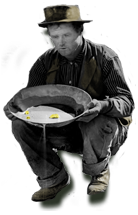

Colorado is a dream destination for travelers who love dramatic landscapes, Old West stories, and rich cultural heritage. Beyond its mountains and ski towns, the state offers deep historical resources, museums, and health information that can make any trip more meaningful and better planned. This guide shows how visitors can weave Western history, genealogical research, and health awareness into an unforgettable journey across Colorado.
Discovering Colorado’s Western History on Your Trip
Western history is woven into nearly every Colorado town, from mining-era main streets to preserved ranches and railroads. Travelers who are curious about the people, cultures, and events that shaped the region can build entire itineraries around archives, libraries, and historic districts that highlight Colorado’s frontier past.
Researching the Old West Before You Hit the Road
Before setting out, many visitors like to explore historical collections and digital archives focused on Colorado and the American West. These collections often feature old photographs, maps, diaries, and town records that can help you understand what you will see when you arrive—whether you are visiting Denver, small mining towns in the Rockies, or farming communities on the plains.
By browsing Western history resources in advance, you can pinpoint specific sites you want to see in person: former stagecoach stops, early railroad lines, or neighborhoods that grew during gold and silver rushes. This preparation makes walking through a modern city feel like stepping into a layered story, with each block revealing traces of the past.
Following the Trails of Pioneers, Miners, and Ranchers
Once in Colorado, travelers can trace the routes of pioneers and prospectors by visiting mountain passes, ghost towns, and restored main streets. Interpretive panels, local archives, and visitor centers often draw on regional Western history collections to explain how these communities rose, flourished, and sometimes faded into memory.
Many towns host annual heritage festivals and walking tours that highlight Western-era architecture, historic saloons, and early public buildings. Planning your visit around these events can turn a simple sightseeing stop into a vivid time-travel experience.
Museums and Historic Sites: Living Classrooms for Travelers
Colorado’s museums and historic sites are among the best places for visitors to connect with the people and cultures that defined the region. They combine artifacts, reconstructed spaces, and storytelling so travelers can experience history with all their senses.
Immersive Western Exhibits and Heritage Districts
Across the state, museum exhibits and preserved districts showcase everything from Indigenous histories and early exploration to mining booms, railroad expansion, and modern urban development. As you travel, you can step into recreated streets from the late 1800s, explore historic schools and homes, or stand inside old mining structures while learning how they operated.
Many of these sites interpret the full range of Colorado’s cultures, including Native communities, Spanish-speaking settlers, immigrant miners, and later arrivals who built railroads, farms, and cities. This makes museum visits especially rewarding for travelers who want a more complete understanding of the region.
Documentaries and On-the-Road Storytelling
Travelers can also enrich their journeys by watching documentaries that focus on Colorado’s history and landscapes. These films often feature interviews with historians, dramatic reenactments, and aerial views of places visitors may later see for themselves.
Watching a documentary before visiting a mountain town, historic neighborhood, or plains community can help you appreciate subtle details on site—such as building styles, street layouts, or the reason a particular valley became so important in state history.
Health and Wellness Resources for Travelers in Colorado
Colorado’s high elevation, active lifestyle, and outdoor activities attract adventure-seekers from around the world. To enjoy the state safely and comfortably, it helps to understand local health considerations and where to find reliable information, especially if you are traveling with children or have ongoing medical needs.
Planning for Altitude, Climate, and Outdoor Activities
When visiting mountain destinations, travelers should plan for thinner air, stronger sun, and variable temperatures. Health-focused travel resources for Colorado often emphasize staying hydrated, easing into high-altitude activities, and recognizing early signs of altitude-related discomfort.
Outdoor explorers—whether hiking, skiing, or simply sightseeing—benefit from learning about sun protection, layering clothing for sudden weather changes, and understanding when to take breaks. Many statewide health information platforms provide clear, visitor-friendly explanations of these topics, helpful for both first-time and returning travelers.
Family Travel: Child-Friendly Health Information
Travelers with children can turn to kid-oriented health and wellness resources that explain common issues like motion sickness, sun exposure, and staying safe during active play. These materials often break things down in ways that are easy for young travelers to understand, making them more willing to wear sunscreen, drink water, or rest when needed.
Parents planning extended stays or multi-stop road trips across Colorado can use these resources to build a family travel health checklist, helping everyone stay comfortable during long drives, hikes, or days exploring museums and historic sites.
Genealogy Travel: Tracing Family Roots Across Colorado
Colorado is a compelling destination for genealogy tourism—travel centered on family history research and visits to ancestral places. Many people whose relatives moved west in search of land, work, or health discover that their stories intersect with Colorado towns, farms, mines, and rail lines.
Using Online Genealogical Resources Before You Visit
Genealogy-focused projects and archival services offer a foundation for planning a family history trip to Colorado. Online, travelers can search indexes of historical records, including burial lists, census information, local histories, and town directories. These tools help pinpoint the counties, towns, and even neighborhoods that matter to a family’s story.
By identifying key locations before traveling, visitors can plan efficient routes that connect courthouses, cemeteries, former family homesteads, and local libraries. This strategic approach turns a broad interest in ancestry into a focused, meaningful itinerary.
Visiting Archives and Local History Rooms in Person
Once in Colorado, family history travelers often spend time in reading rooms and local history collections that preserve original records and regional documents. Staffed research areas may hold city directories, property maps, newspaper archives, and community histories that do not exist elsewhere.
Many visitors describe the experience of holding a record that mentions their ancestor, then walking the surrounding streets or rural landscapes, as one of the most powerful parts of their trip. This blend of research and on-the-ground exploration transforms Colorado into a living family album.
Exploring Western History Collections in Colorado
For travelers who are especially interested in Western history, Colorado offers specialized centers and library collections that deepen understanding of the region. These places are ideal stops for researchers, writers, lifelong learners, and anyone who wants to see original materials related to the American West.
Centers Dedicated to Colorado and the West
Academic and regional history centers in Colorado bring together manuscripts, rare books, photographs, and local studies focusing on the state and the broader Western United States. Visitors can often view curated exhibits or, with appropriate orientation, explore materials in reading rooms.
Stopping at such a center during your trip can provide context to everything else you see—from downtown Denver’s evolving skyline to preserved mining towns and rural agricultural communities. Travelers frequently use these centers as starting points before branching out to smaller archives and historic sites around the state.
Western History Resources for Context-Rich City Breaks
In cities like Denver, regional Western history collections provide insight into how the city grew from a frontier settlement into a major urban center. Maps reveal vanished neighborhoods, photos show streets before modern redevelopment, and documents illuminate how railroads, industry, and migration shaped the region.
Travelers can use this knowledge when walking through historic districts, comparing archival images with present-day buildings, and spotting architectural details that link Colorado’s modern life to its Western roots.
Staying in Colorado: Hotels and Accommodation Tips for History and Heritage Trips
Choosing where to stay can enhance a history-focused trip across Colorado. Many visitors seek lodging that makes it easy to reach archives, museums, and historic districts, or that reflects the character of the area they are exploring.
In Denver and other larger cities, hotels in central neighborhoods often place travelers within walking distance of heritage districts, libraries, and museum campuses. Some properties are housed in refurbished historic buildings, allowing guests to sleep in spaces that once served as warehouses, offices, or early hotels, while still enjoying modern amenities.
In smaller towns, cozy inns and locally run accommodations can deepen your connection to place. Staying near a historic main street means you can stroll past preserved facades in the evening, visit local history exhibits during the day, and easily reach nearby archives or cemeteries for genealogy research. Travelers planning to divide time between urban research and mountain exploration may opt for a combination of city-center hotels and lodges in high-country towns, ensuring both convenience and scenic diversity.
Planning a Well-Rounded Colorado Itinerary
A balanced Colorado trip can blend Western history exploration, genealogical discovery, museum visits, outdoor experiences, and health-aware planning. Visitors might spend mornings in reading rooms and archives, afternoons touring historic streets or hiking nearby trails, and evenings watching documentaries that tie the day’s sights into a broader story.
By integrating reliable health information, travelers can stay comfortable at altitude, keep children safe and engaged, and remain prepared for changing conditions. At the same time, genealogy and Western history resources help transform ordinary travel into a quest for understanding—of both a place and, for some, their own family’s path across the American West.
Whether you are drawn by mountain landscapes, frontier legends, family roots, or cultural heritage, Colorado offers a wealth of history and resources that reward curious, well-prepared travelers.