Colorado is known for its mountains and ski towns, but beyond the dramatic landscapes lies a quieter treasure: a patchwork of small communities, vanished settlements, and historic routes that tell the story of how the state took shape. This article turns that heritage into a traveler’s wishlist of places, themes, and experiences for anyone who loves history-focused road trips and off-the-beaten-path exploration.
Why Build a Heritage Travel Wishlist in Colorado?
Colorado is a dream destination for curious travelers who enjoy combining scenery with stories. From high plains homesteads to mining camps clinging to valley walls, almost every region has its own timeline of migration, boom-and-bust economies, and cultural change. Creating a travel wishlist helps visitors organize their journeys around themes like railroad expansion, mining history, immigrant communities, and Indigenous homelands, rather than simply moving from city to city.
Tracing Family Footsteps in Colorado
Many visitors come to Colorado hoping to follow the echoes of family names found in old records, cemeteries, and town histories. Even if you are not researching specific ancestors, planning travel around the idea of “family footprints” offers an unusually personal way to see the state.
Small-Town Cemeteries and Quiet Hilltop Graveyards
Across Colorado’s plains and mountain valleys, cemeteries often sit on ridges or along windswept edges of town. These are peaceful stops where travelers can sense the rhythm of local life through carved stones, languages, symbols, and family groupings. When visiting, treat them as outdoor archives of community memory, and observe posted rules while treading respectfully.
Courthouses and Old Record Hubs as Travel Anchors
County seats in Colorado often grew around courthouses that still house land records, marriage registers, and other official documents. For heritage travelers, these buildings can serve as anchors for a day’s visit: explore the historic downtown, walk past original brick storefronts, then wander into nearby museums or interpretive centers to connect names and dates with real places, photos, and artifacts.
Regions to Add to Your Colorado Heritage Wishlist
Colorado is large enough that it helps to break a heritage itinerary into manageable regional themes. Think of these not as strict routes, but as flexible clusters of destinations you can mix and match.
The Eastern Plains: Trails, Rail Lines, and Homesteads
The eastern third of Colorado is often crossed quickly on the interstate, yet it’s a landscape rich in traces of wagon trails, railroad sidings, and farm towns. Look for small local museums in county seats, grain elevators that mark once-thriving shipping points, and roadside markers commemorating early trails and military posts. This is also where you’ll find some of the state’s oldest rural cemeteries and schoolhouses.
The Front Range Corridor: From Settler Outposts to Growing Cities
Along the Front Range, modern urban life overlays early forts, stagecoach stops, and agricultural colonies. Larger cities typically offer historical walking tours, preserved neighborhoods, and multi-room museums that interpret migration, mining, agriculture, and industry. Travelers who love archival research can usually find well-organized collections and reading rooms here, making these cities ideal hubs between forays into smaller communities.
Mountain Mining Towns: Boom, Bust, and Legends
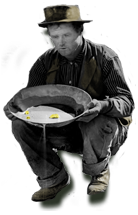
Mountain passes and high valleys are home to the gold and silver camps that fueled much of Colorado’s early reputation. Many remain as living towns with historic districts, while others survive only as remnants, foundations, and cemeteries. Visiting these areas invites you to imagine the flood of prospectors, merchants, and families who traveled perilous routes in search of opportunity. Look for preserved main streets, former boarding houses, assay offices, and interpretive signage describing specific strikes and disasters.
High Valleys and Agricultural Settlements
Beyond the famous ski valleys are quieter agricultural regions, where irrigation ditches, beet fields, and ranchlands tell the story of long-term settlement. These landscapes reflect waves of diverse settlers—sometimes from specific countries or cultural groups—who left their mark on school names, churches, and seasonal festivals. Planning visits around harvest times or local celebrations can add another layer of experience to your heritage travels.
Turning Historical Curiosity into a Travel Plan
A state as varied as Colorado rewards travelers who prepare thoughtfully. Instead of treating historical stops as afterthoughts, build them into the core structure of each day on the road.
Designing a Themed Itinerary
One way to organize your wishlist is to pick a theme—such as mining history, railroad expansion, or pioneer farming—and identify two or three key sites in each region that fit that storyline. For example, you might follow a former rail corridor from a major Front Range city into the mountains, stopping at depots, bridges, and towns that once depended on the line for survival. Alternatively, you could trace the progression of settlement along a major river, from high mountain headwaters down to lower, more arid valleys where large irrigation projects reshaped the land.
Building in Time for Archives and Local Stories
Local libraries, historical societies, and small-town museums often keep limited hours, so flexible planning is essential. Schedule extra time in county seats to accommodate opening times and to follow unexpected leads, whether in display cases, map collections, or oral histories. Even if you are traveling mainly for pleasure, flipping through a local history or newspaper archive can turn a simple drive into a much richer experience.
Respectful Travel in Sensitive Places
Many heritage sites—especially cemeteries, abandoned structures, and Indigenous homelands—are emotionally charged and sometimes fragile. Stay on marked paths, leave artifacts where you find them, and observe all photography guidelines. If a site feels private or unmarked, seek guidance from local visitor centers before exploring further. Responsible behavior helps preserve access for future travelers.
Seasonal Considerations for Heritage Travel in Colorado
Colorado’s elevation and varied climate mean that timing can significantly shape your experience. While cities along the Front Range are accessible year-round, some mountain passes and high-elevation towns may be snowbound or limited to seasonal access.
Spring and Early Summer
As snow melts in the mountains, roads reopen and small museums begin their seasonal hours. This can be a prime time to visit historic districts without the heaviest crowds, especially in former mining regions. On the plains, wildflowers and greening fields make roadside historical stops more pleasant, and moderate temperatures are ideal for walking tours.
Late Summer and Autumn
Late summer brings festivals and heritage events in many communities, often celebrating agricultural cycles or town anniversaries. Autumn’s changing aspens add a spectacular backdrop to scenic drives through historic corridors. This season is particularly suited for travelers who enjoy combining outdoor hikes to old sites—such as mining ruins or homestead remains—with cozy evenings in historic inns or lodges.
Winter Heritage Experiences
Winter narrows access to some high routes but opens up a quieter, introspective way to explore the state’s past. Historic districts in larger towns often host seasonal events, lights, and themed tours. For travelers who prefer research-focused trips, winter can be an excellent time to spend unhurried hours in reading rooms, archives, and indoor museums while enjoying snow-covered scenery outside.
Staying in Colorado: Where History Meets Hospitality
Choosing where to stay can enhance the heritage theme of your travels. Many Colorado communities feature older hotels, converted boarding houses, and restored homes that reflect the architecture and character of earlier eras. Look for properties located in or near designated historic districts, where you can step outside and immediately encounter period façades, brick streets, and interpretive plaques.
In mountain towns with mining origins, accommodations range from rustic-style lodges that echo frontier aesthetics to comfortably updated inns housed in former commercial buildings. On the plains, travelers may find motels and guesthouses near courthouse squares or railroad corridors that once formed the heart of the community. When researching options, consider how features like walking distance to museums, quiet neighborhoods near cemeteries or old churches, or views of original town sites will complement the stories you plan to explore by day.
Practical Tips for Planning a Colorado Heritage Road Trip
Heritage-focused travel benefits from a few simple habits that keep your journey both enjoyable and informative.
Carry Notes and Maps
Whether using digital tools or a traditional notebook, record the names of towns, cemeteries, and landmarks you visit. Mark them on a map so you can see patterns emerging across regions. Many travelers find that sketching out routes with dates and brief impressions helps them remember the texture of each place long after the trip ends.
Balance Driving with Walking
Plan each day so that time behind the wheel alternates with walking tours, museum visits, and short hikes to visible remains like foundations or mine structures. This rhythm keeps you refreshed and allows more opportunities to notice architectural details, landscape changes, and subtle clues that are easy to miss from the road.
Listen for Local Voices
Conversations with long-time residents, museum volunteers, and librarians often provide insights that do not appear in guidebooks. When appropriate, ask about local traditions, former industries, or stories tied to specific buildings and landmarks. These personal perspectives help bring the broader history of Colorado into focus at the scale of a single block or hillside.
Bringing Colorado’s Past into Your Own Story
Exploring Colorado through its heritage sites is more than an exercise in looking backward. It’s an invitation to understand how landscapes, communities, and individual lives intertwine over time. Whether you are tracing family names, following the route of a historic railroad, or simply curious about how mountain towns came to be, a thoughtfully curated wishlist of destinations can guide you toward meaningful encounters with the state’s layered past.
As you travel, allow room for detours: a side road to a forgotten cemetery, an unexpected small-town festival, or an extra hour in an archive that yields a surprising detail. In doing so, you weave your own journey into the longer story of Colorado—a story still unfolding in every town square, valley, and ridge where history and travel meet.